Housefishing: Size Does Matter!
I have to say, I’d only ever heard of
the concept of catfishing in relation to fake online identities; “the practice of creating a fake online persona or identity (usually on social media, messaging apps, or dating platforms) to deceive someone else.”
This kind of deception also extends to fake links, scam phone calls and other nasty tricks that, in their own way, can cause harm. After years of navigating these scams, we're all pretty familiar with them and, to some extent, have become wiser to their tricks.
But the concept of housefishing was totally new to me.
Of course, I’m aware of the many ways AI is being used to enhance photos, and I’m not entirely innocent of this either. However, I have come to realise that this simple enhancement may have been taken a little too far in property listings. Reading an article in
The Guardian made me aware that it’s not simply about using AI to brighten a photo or add a piece of furniture or two to a room. Sometimes, it goes as far as altering reality and creating false architectural features, such as adding an extra window, removing a chimney breast or even changing the dimensions of a room!
The picture became even clearer when I saw Jack Bushrod from
Housing Horrors appearing on
BBC News, talking about the recent rise in AI-manipulated images used by estate agents to attract buyers and tenants. And I totally agree with him that the mismatch between what people see online and what they find in reality can break the trust between estate agents, buyers and tenants.
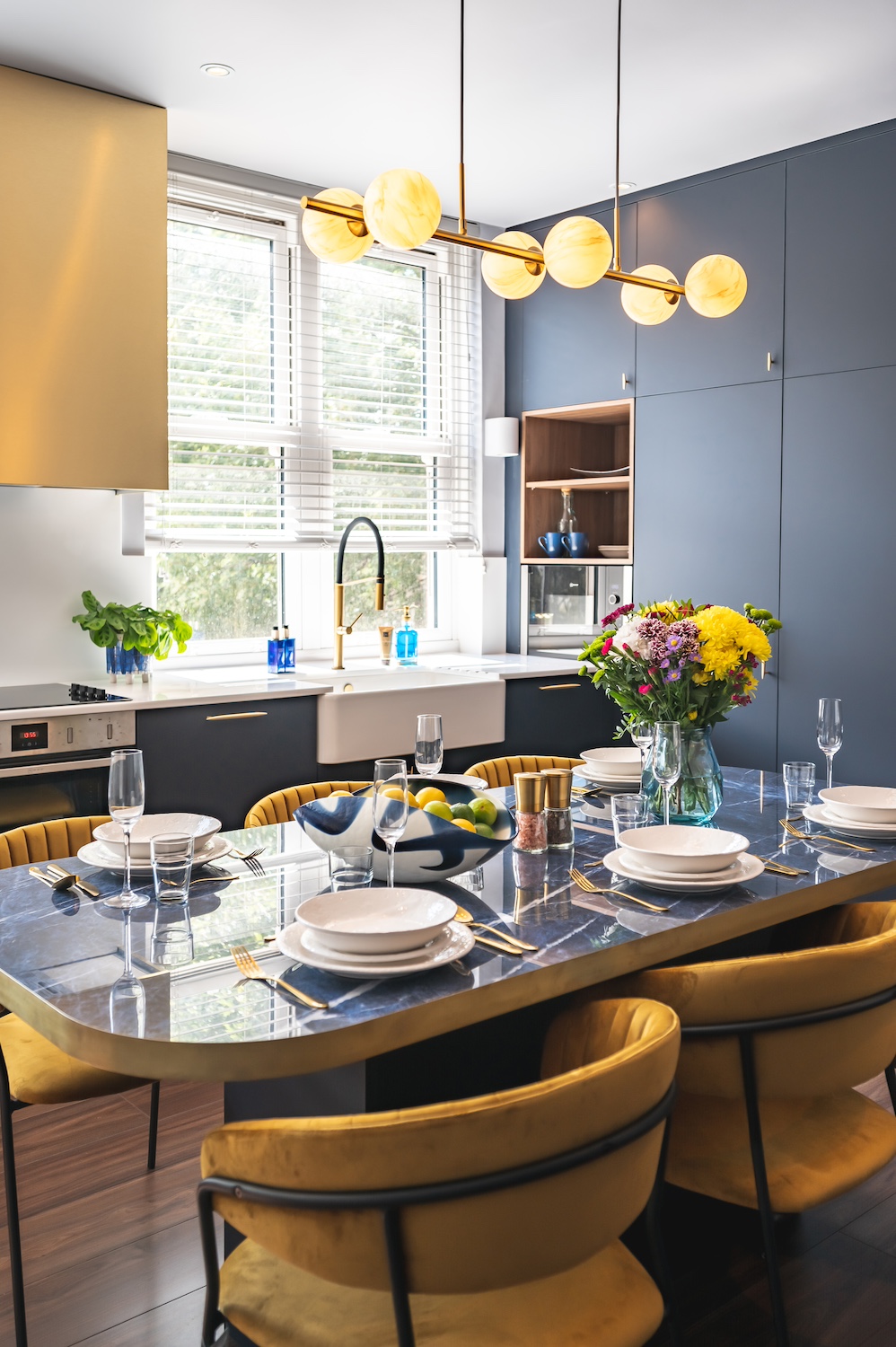
The homeowner may or may not be aware that their agent has used AI to manipulate the listing. In a crowded market, there is obviously an incentive to make a property stand out and maximise viewings. AI can also be useful in helping buyers or tenants visualise an empty room with furniture in it. But there’s a difference between helping someone see the potential of a space and making it look like something it isn't. Misrepresenting a property will only serve to put people off the moment they walk through the door. A property viewing is your chance to make a good first impression on a prospective buyer or tenant, and it has to be done right.
Saying this, I’m all for helping both buyers and tenants see the full potential of a property. This is where home staging comes in handy. Rather than faking it, we can actually make it!
As an interior designer, one of the things I enjoy about staging is finding ways to make a space work harder, whether that means giving an awkward room a clear purpose, making a small room feel more functional or helping people imagine how they could live there. It’s not about pretending a property is something else, but making the most of what’s already there.
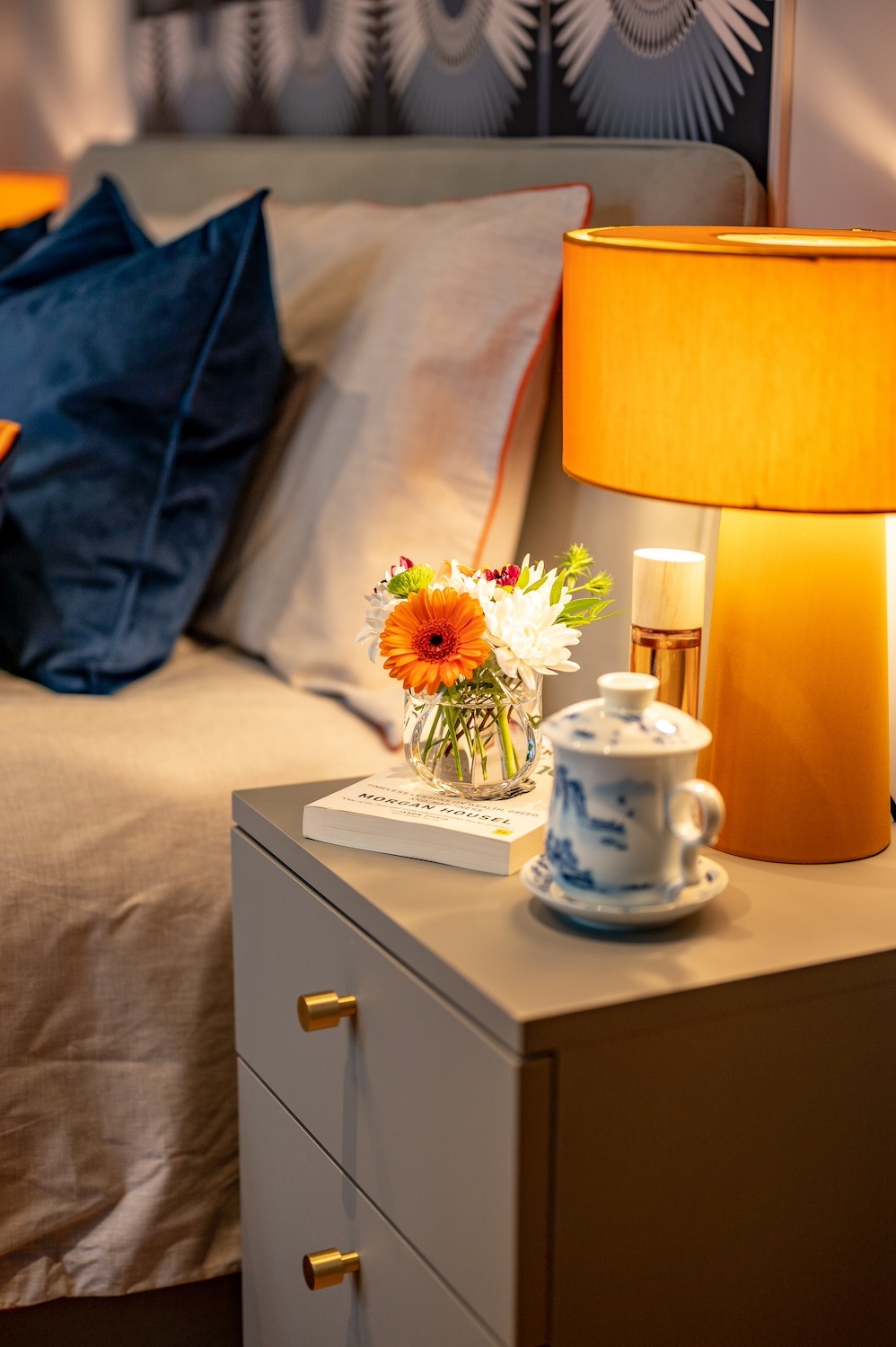
And there’s a reason why this matters. As highlighted in
Knight Frank, home staging creates an emotional connection, helping potential buyers visualise themselves living in a property and turning interest into action. Professionally staged properties can achieve an average 4–6% uplift in offer value and sell in around half the time of unstaged homes.
Of course, a well-staged home won't magically give you an extra bedroom or make your living room twice the size. But it can help people appreciate the potential of the space and visualise themselves in it.
And that, to me, is the difference between showing a property in its best light and giving it a completely different face.